

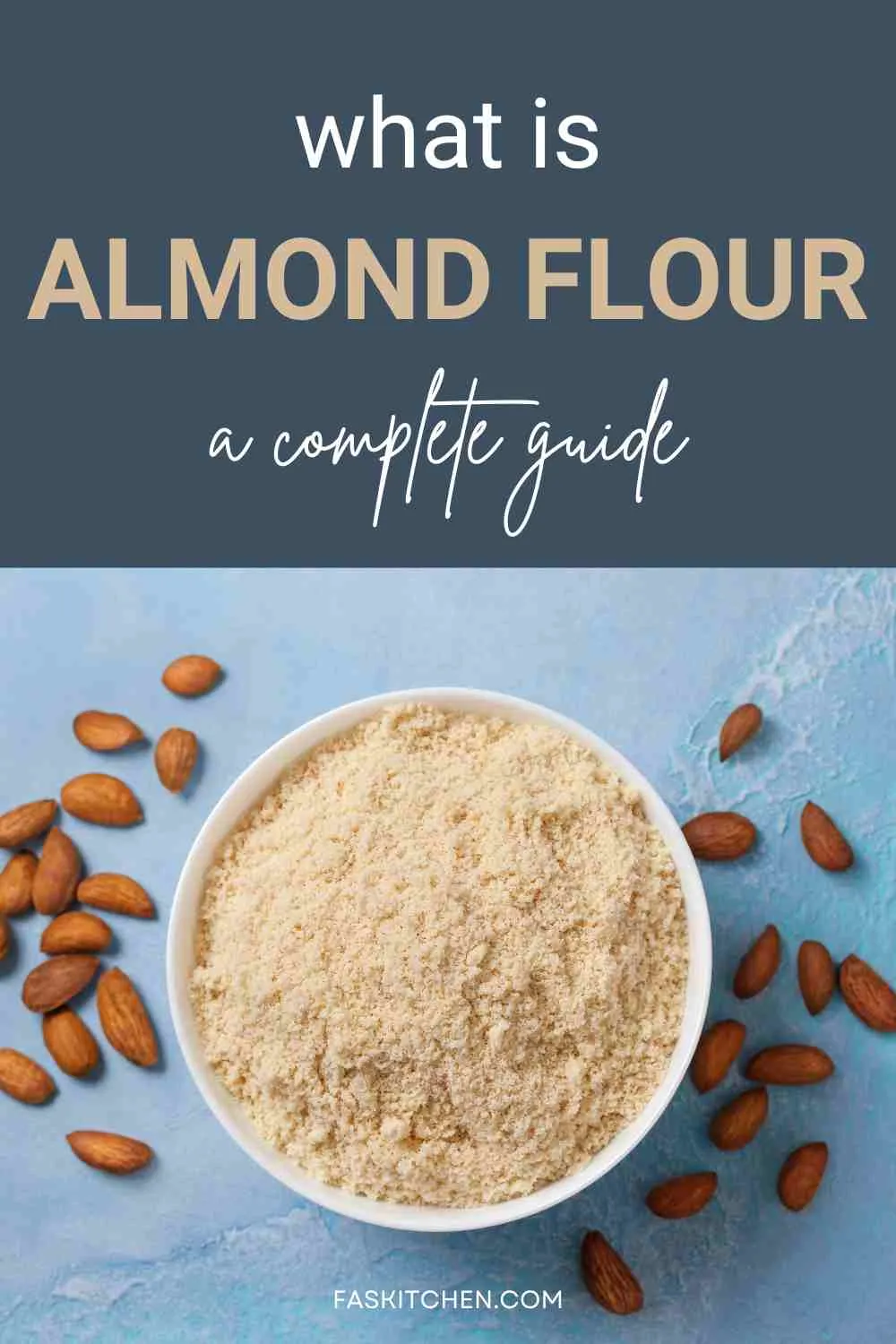
Are you ready to revolutionize your cooking and baking with the most versatile ingredient you've never fully explored? Almond flour isn't just a gluten-free alternative – it's a culinary superstar that can transform your recipes from ordinary to extraordinary! Whether you're a health-conscious foodie, a keto enthusiast, or simply someone who loves experimenting in the kitchen, almond flour is about to become your new secret weapon.
Prep Time: 10 mins
Cook Time: -
Total Time: 10 mins
Cuisine: Various
Serves: Multiple servings
Ingredients
- Almond flour
- Eggs
- Butter or oil
- Sweeteners (honey, maple syrup)
- Spices (cinnamon, nutmeg)
Instructions
- Begin by measuring out your desired quantity of almond flour, ensuring it's fresh and free from clumps. Sift the flour if necessary to create a smooth texture.
- For baking purposes, combine almond flour with eggs as a binding agent. Typically, use 1 egg per cup of almond flour to create proper moisture and structure.
- When preparing sweet recipes, incorporate your chosen sweetener like honey or maple syrup. Mix thoroughly to distribute sweetness evenly throughout the mixture.
- Add melted butter or oil to enhance richness and prevent dryness. Almond flour tends to absorb moisture quickly, so fat content is crucial for maintaining texture.
- For enhanced flavor, sprinkle in spices like cinnamon or nutmeg. These complement almond flour's natural nuttiness and add depth to your recipe.
- Consider the specific recipe you're creating - almond flour works excellently for cookies, cakes, pancakes, and as a low-carb breading for meats.
- When substituting in traditional recipes, use approximately 1/4 less almond flour than wheat flour, as it behaves differently in baking.
- Always store unused almond flour in an airtight container in a cool, dark place to maintain freshness and prevent rancidity.
Tips
- Precision is Key: Always sift your almond flour to remove any clumps and ensure a smooth, consistent texture in your recipes.
- Binding Matters: Remember the golden rule - use 1 egg per cup of almond flour to create the perfect moisture and structural integrity.
- Fat is Your Friend: Don't skimp on butter or oil! Almond flour absorbs moisture quickly, so adding fat helps maintain a delectable texture and prevents dryness.
- Sweetness Strategy: Distribute sweeteners like honey or maple syrup thoroughly to ensure every bite is perfectly balanced.
- Flavor Boosting: Experiment with spices like cinnamon and nutmeg to complement almond flour's naturally nutty profile.
- Substitution Wisdom: When replacing wheat flour, use approximately 25% less almond flour and be prepared to adjust your recipe slightly.
- Storage Savvy: Keep your almond flour in an airtight container in a cool, dark place to maintain its freshness and prevent spoilage.Pro Tip: Almond flour is incredibly versatile – use it for cookies, cakes, pancakes, and even as a low-carb breading for meats!
Nutrition Facts
Calories: kcal
Carbohydrates: g
Protein: g
Fat: g
Saturated Fat: g
Cholesterol: mg
